VMware...the end of an era
- May 2022: Broadcom announces the acquisition of VMware, a virtualization institution since 1998.
- A new commercial offering and new prices that are disrupting customers.
- An overview of alternatives to ESXi based on needs.
- VMware is not dead, but many are considering making the big switch.
May 2022, the IT world trembled..."Broadcom," the "corporate killer," announced its intention to acquire VMware.
The damage is definitely done on November 22, 2023, or 69 billion dollars marked the end of an era in enterprise computing.
Click the image to enlarge.
VMware is an institution in the industry. Founded in 1998, the company has had several owners and has played a major role in the explosion of virtualization.
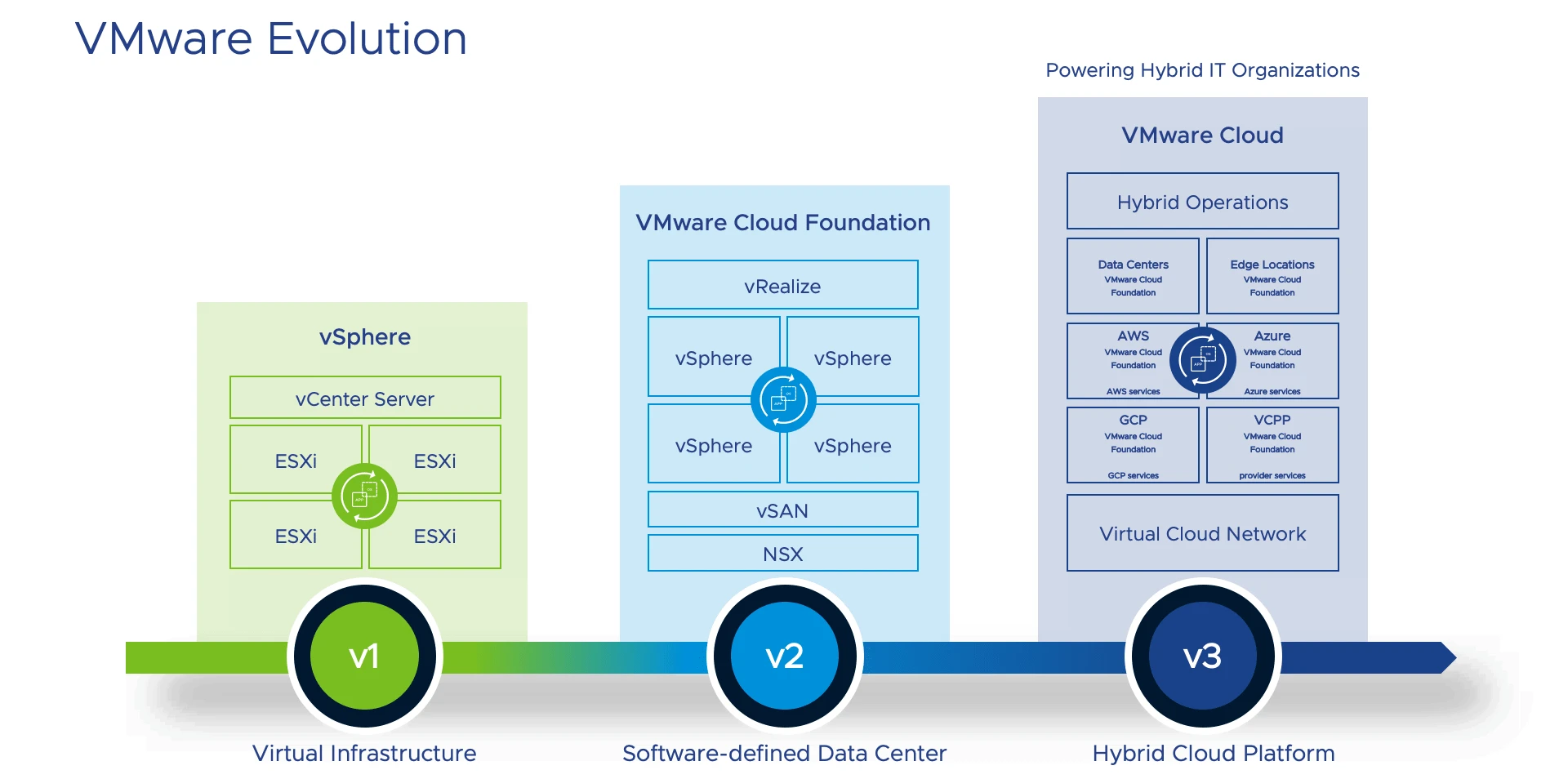
Its ESXi hypervisor has established itself in most IT environments over the years. Other products have enriched the vendor's catalog, from the VSAN storage solution to the NSX network solution. VMware has built an excellent reputation in the market, even though it has experienced some problems.
Click the image to enlarge.
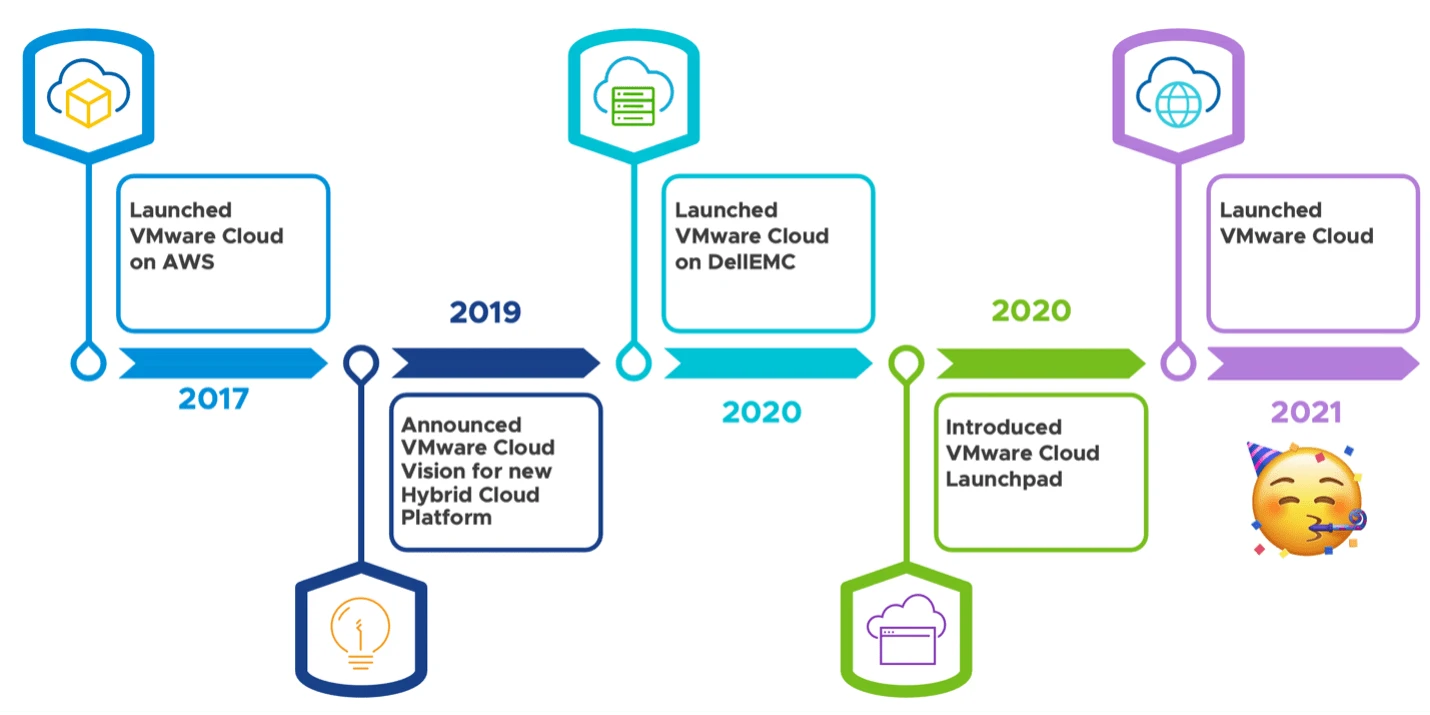
Backup software, monitoring software, CI/CD tools, both paid and open source: all of them have sought compatibility with VMware at one time or another.
The company's ESXi hypervisor had its heyday and remains a reliable option today. It is responsible for running many production assets around the world. Combined with its HA functions for cluster deployment and its DRS function for automatic workload distribution, millions of VMs, Linux or Windows systems, benefit from a rich and reliable ecosystem.
Click the image to enlarge.
However, everything has an end, and when Broadcom acquired the company from Dell, it quickly became clear that things were going to change given the investor's track record...
A new offering...and new prices
So, be aware that VMware is not dead, and its products are still relevant, but now you will have to earn them...
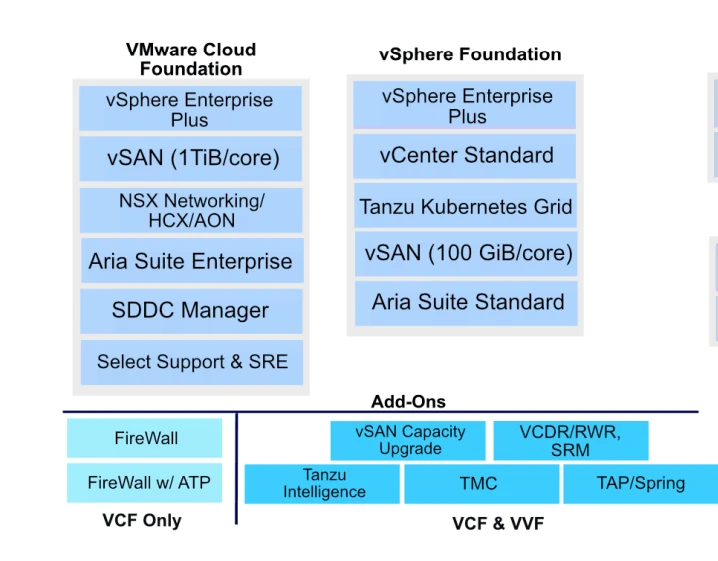
Its new owner has completely revised the commercial offering. While VMware was never known for its low prices, it was still possible to assemble a customized infrastructure to limit unnecessary features and find a formula that suited your needs.
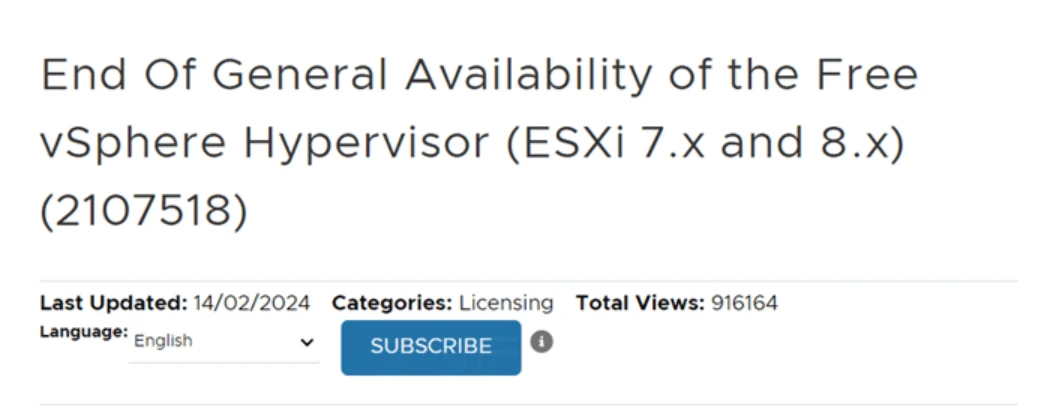
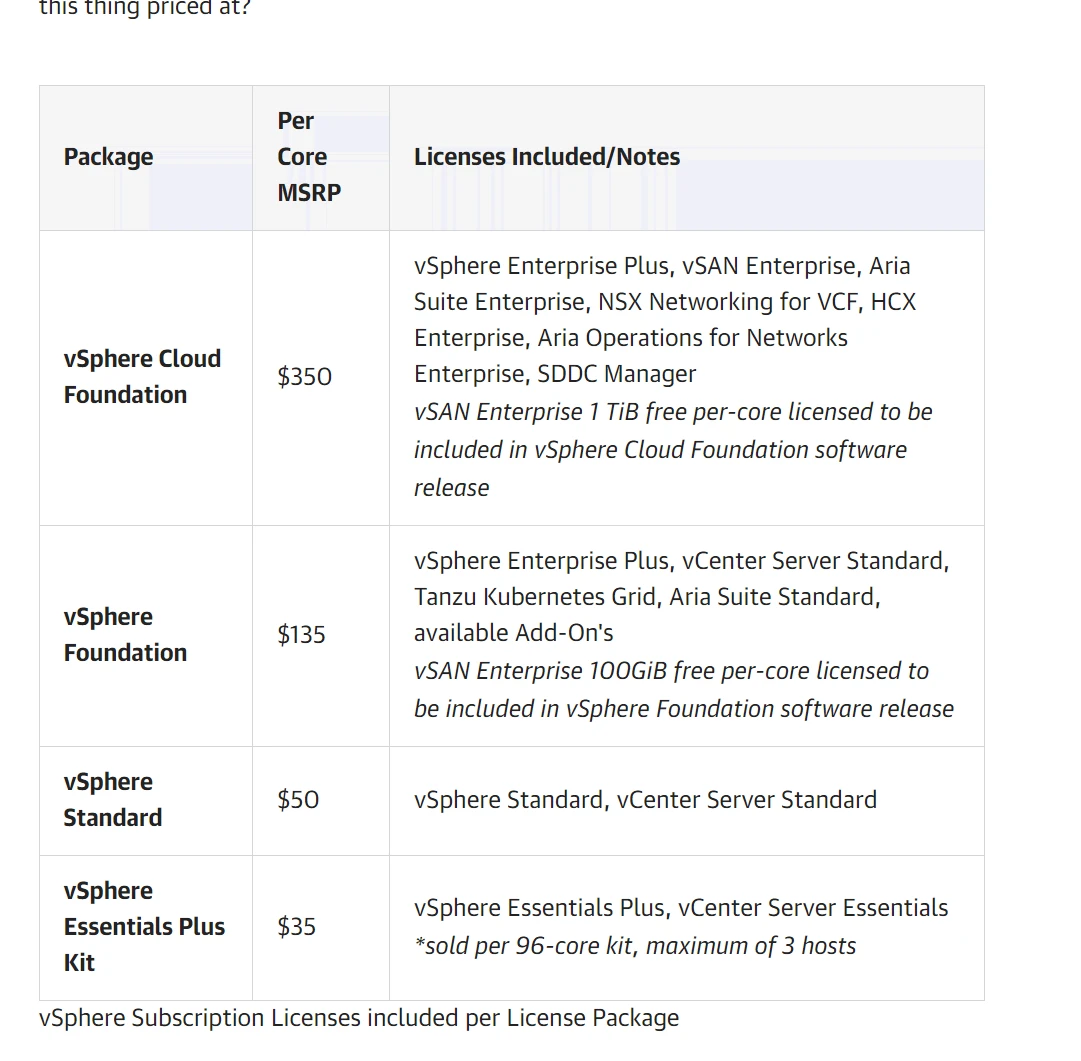
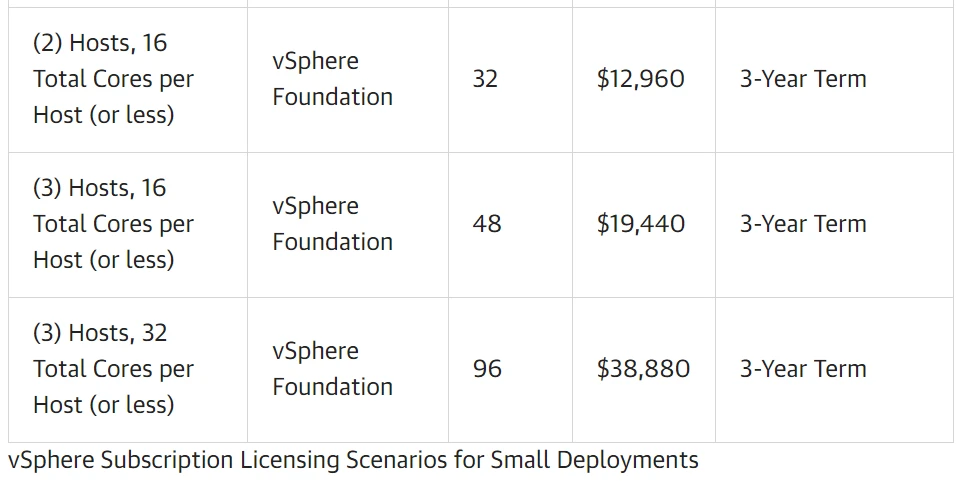
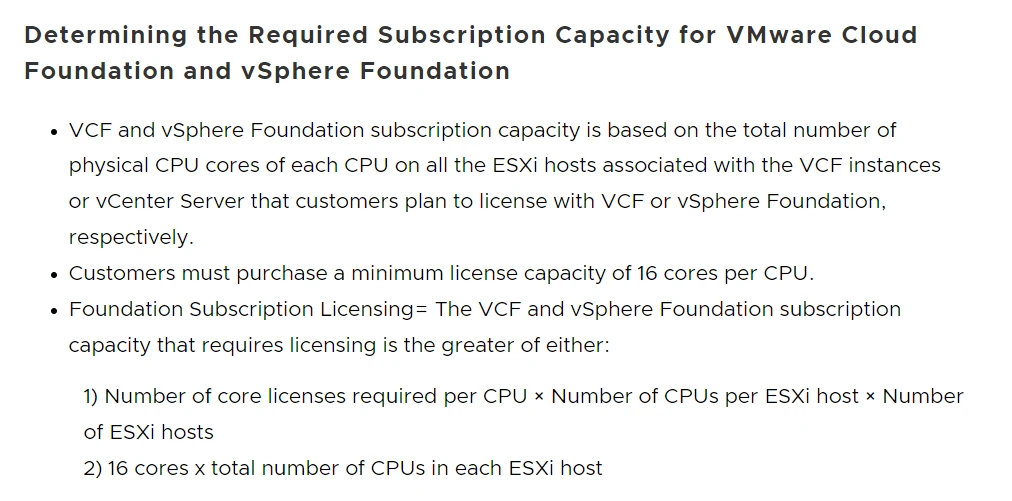
Now it's all about add-ons: salads, tomatoes, onions, and extra sauce... Free versions of ESXi and offers for small businesses are over. It's the entire package to build your own private cloud, with a new pricing model that you'll have to accept if you want to continue using it... With prices that could suddenly be more than 10 times higher.
Click the image to enlarge.
Perpetual licenses are gone, and goodbye to buying 56 products individually.
Click the image to enlarge.
Click the image to enlarge.
Click the image to enlarge.
Click the image to enlarge.
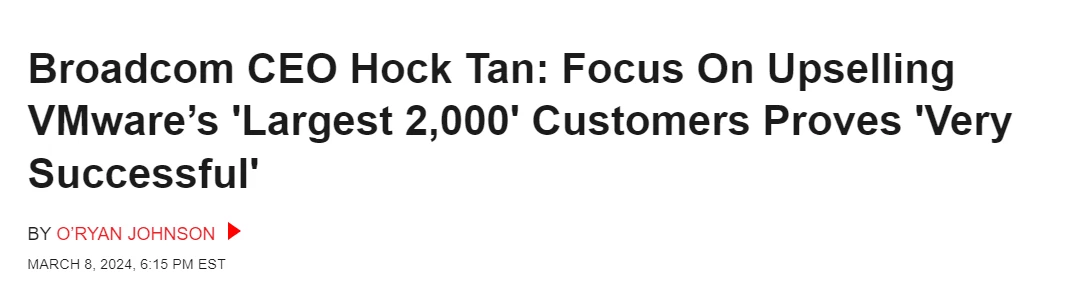
Broadcom needs to recoup its investment, and to do this, it's focusing exclusively on "its strategic customers"... meaning the only ones who can absorb such changes, as they already use the entire VMware portfolio.
Click the image to enlarge.
VMware...what to replace it with
Therefore, it has become a new challenge to consider leaving VMware... something unthinkable for some just a few months ago, but which is now vital for others.
A quick look at the basics
Before discussing alternatives, it's important to emphasize the concept of a hypervisor. Even though it's not the only VMware product, the problem faced by many organizations primarily revolves around the use of ESXi (I won't talk about Horizon here, the VDI suite that will be resold and which also remains a major issue for its users).
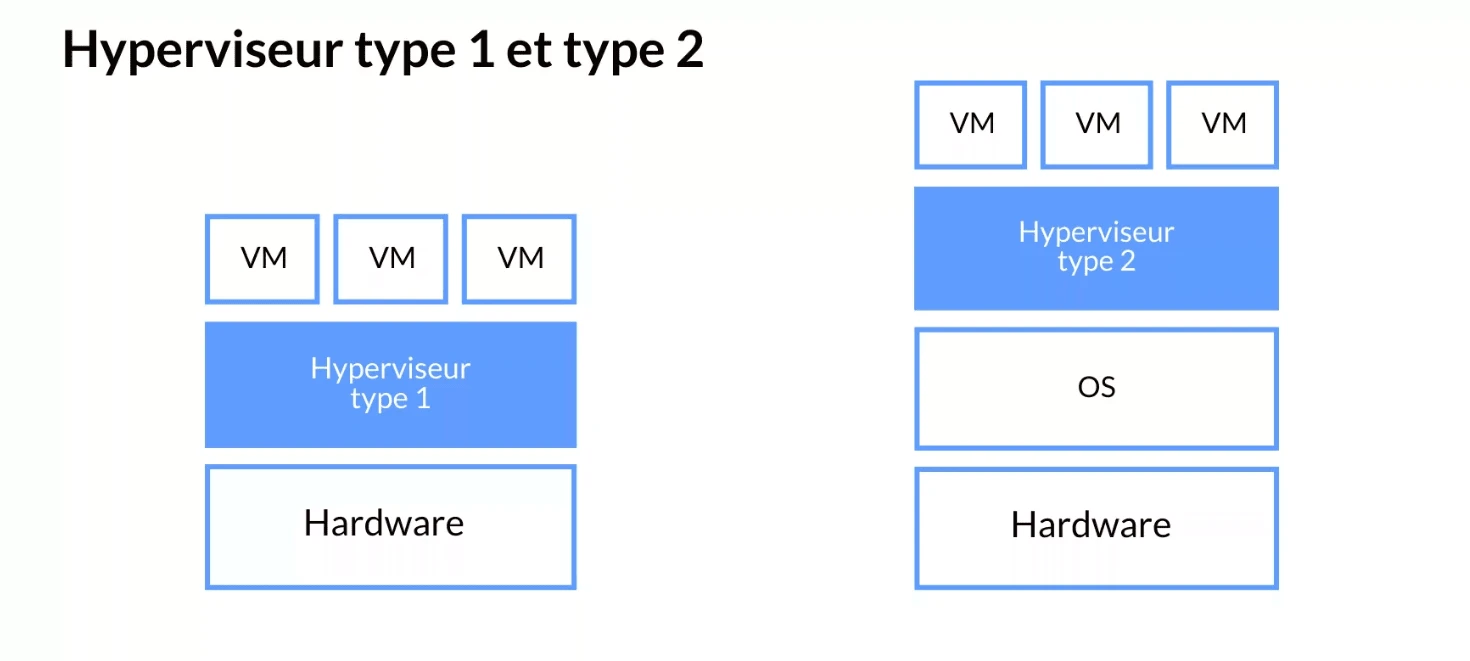
A hypervisor is a software solution capable of running multiple operating systems in parallel on the same physical platform, ensuring complete isolation between these OSes. I know it's obvious to many, but it's always good to reiterate the basics.
We often talk about two types of hypervisors
Click the image to enlarge.
Overall, in the market, we often find type 1 hypervisors that serve as the foundation for many third-party solutions.
Click the image to enlarge.
Click the image to enlarge.
Click the image to enlarge.
Click the image to enlarge.
Please note that this list is not exhaustive, but these hypervisors are the most commonly used on x86 platforms today
And the nominees are...
In the list of potential replacements for VMware, many solutions are actually implementations of one or another of these solutions, particularly KVM and XEN when we talk about open-source software.
Of course, VMware uses ESXi in its solutions, and Microsoft uses Hyper-V.
Here are some competing products that have suddenly gained a new level of recognition...
Proxmox VE
Click the image to enlarge.
Available since 2008, PROXMOX VE is a completely open-source solution that can be installed on top of an existing distribution or deployed directly from a solution derived from Ubuntu.
Based on KVM, it is a robust and reliable solution, also featuring LXC integration for container execution and a backup suite.
Clustering is supported, and it is relatively easy to deploy a high-availability (HA) solution. It is also possible to subscribe to support from the vendor at a very modest price.
However, there is no equivalent to vCenter, but a connection to any node in the cluster is possible for managing the entire configuration.
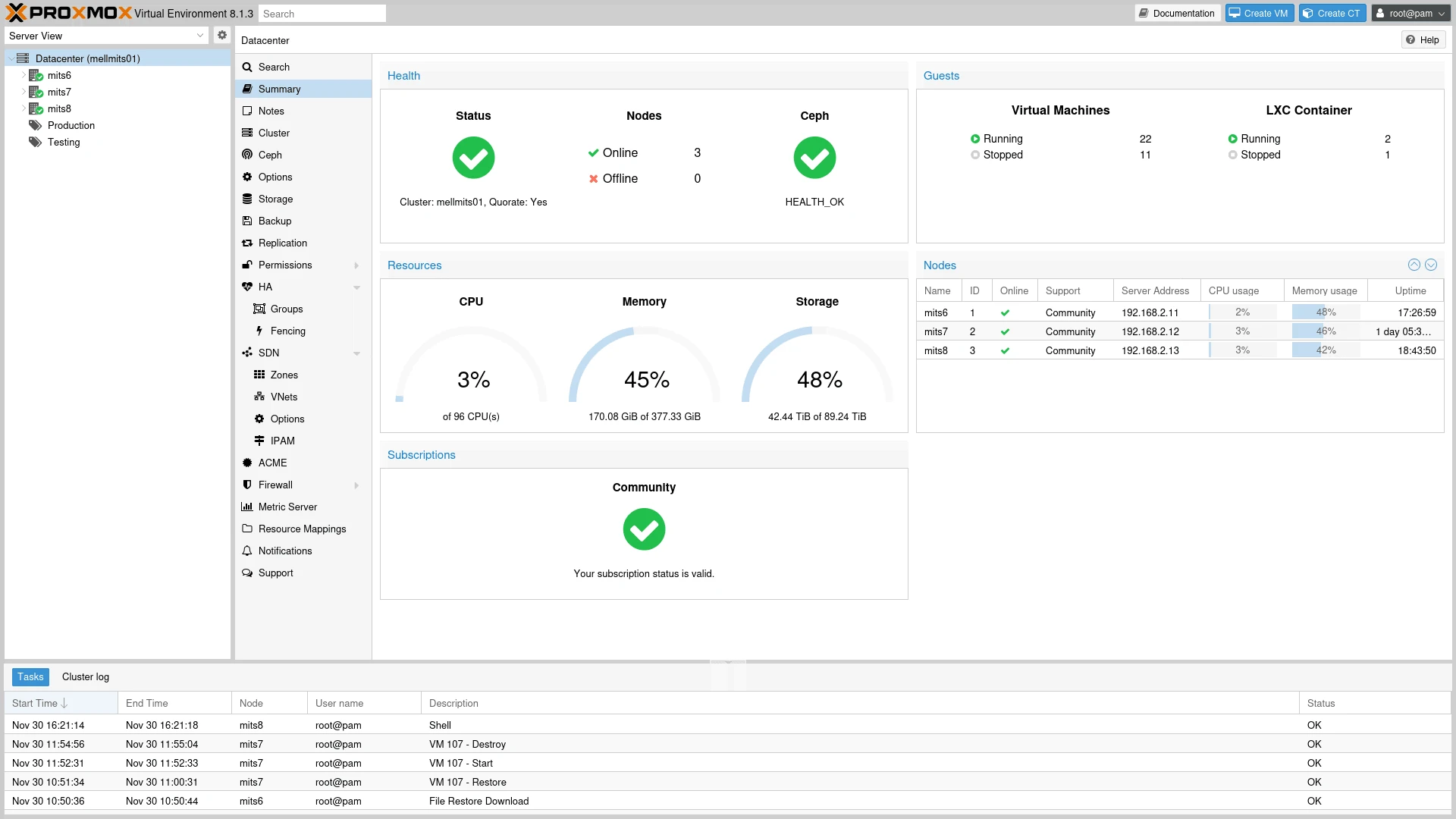
Click the image to enlarge.
Personally, I find it a very interesting tool despite its somewhat outdated GUI and a somewhat limited ecosystem as of now. Note that giants like Veeam are starting to take an interest in this solution.
XCP-ng

Click the image to enlarge.
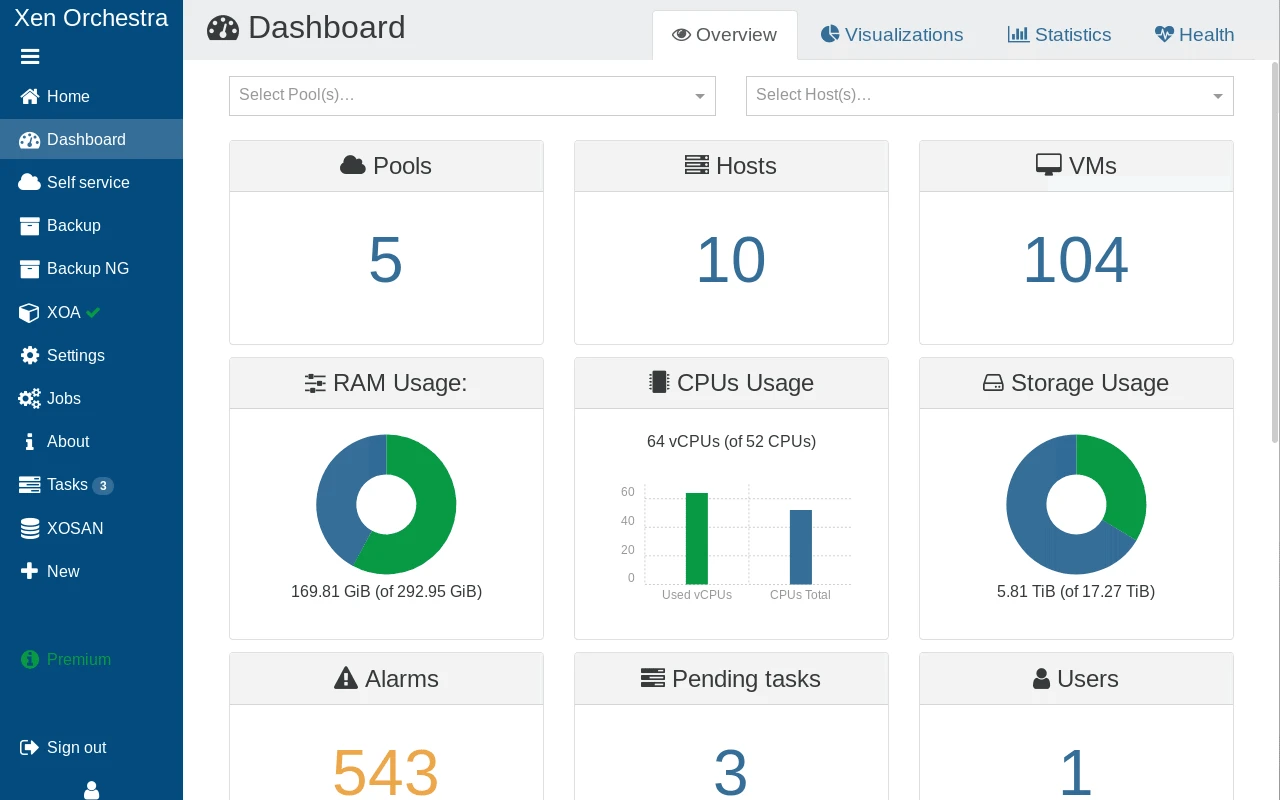
Interestingly, the contender here is French. Open-source and integrated with the Linux Foundation, XCP-Ng is a fork of the Citrix XenServer solution, which itself is based on the Xen hypervisor.
It is delivered without a GUI, so you will need to pair it with Xen Orchestra to have a complete suite. Closer in logic to VMware, its Xen base gives it very good performance, but its implementation remains more complex than Proxmox.
Click the image to enlarge.
This is the alternative that I chose. I invite you to discover the solution here
Hyper-V
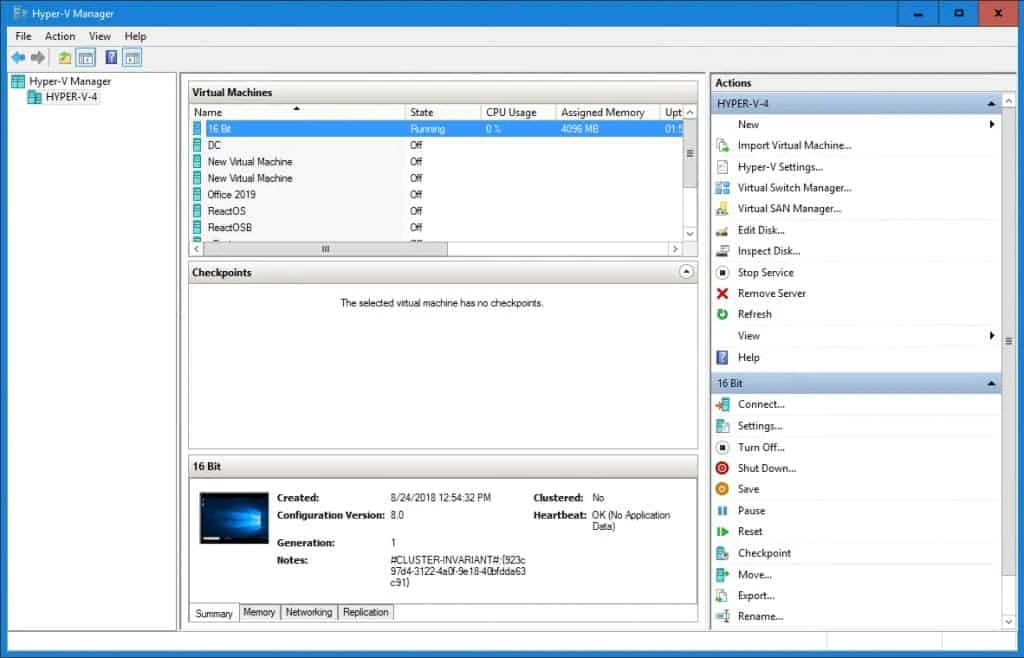
Microsoft's hypervisor enjoyed its heyday thanks to a very aggressive pricing policy upon release.
Mature and still active, MS doesn't seem too concerned about the "scandal" surrounding Broadcom/VMware, and prefers to encourage its customers to migrate to their cloud.
Click the image to enlarge.
I haven't used the solution much, but what little I've seen hasn't displeased me, and it can quickly match VMware in terms of features.
Nutanix
Click the image to enlarge.
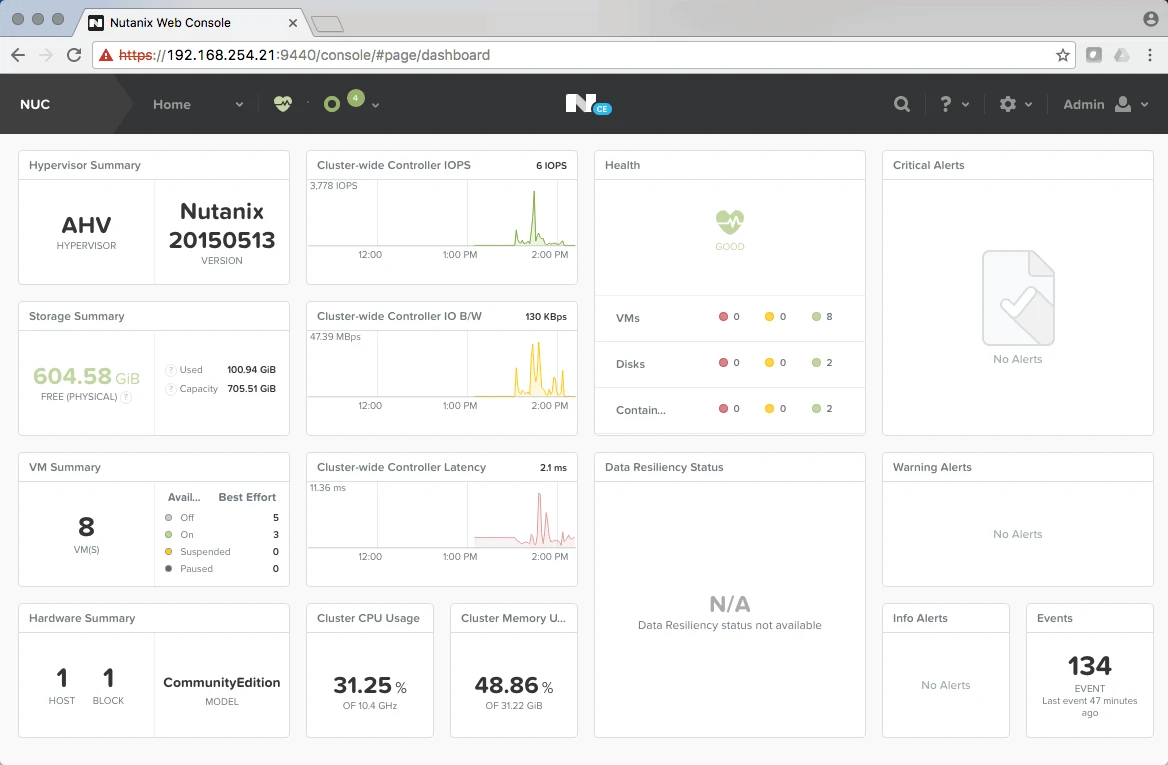
Initially, Nutanix offers hyperconverged appliances, but if these support the execution of VMware solutions, they are also delivered with the in-house "AVH" solution based on KVM. I've never had the opportunity to work on it, but colleagues have told me great things about it. The main disadvantage remains the acquisition cost, because while the hypervisor is free, the servers are not.
Click the image to enlarge.
It should be noted that it is possible to obtain the hypervisor without purchasing hardware. But it seems more suitable for training or small needs than for real use in a company.
Of course, there are many other alternatives; I have only mentioned the main ones that I have heard about.
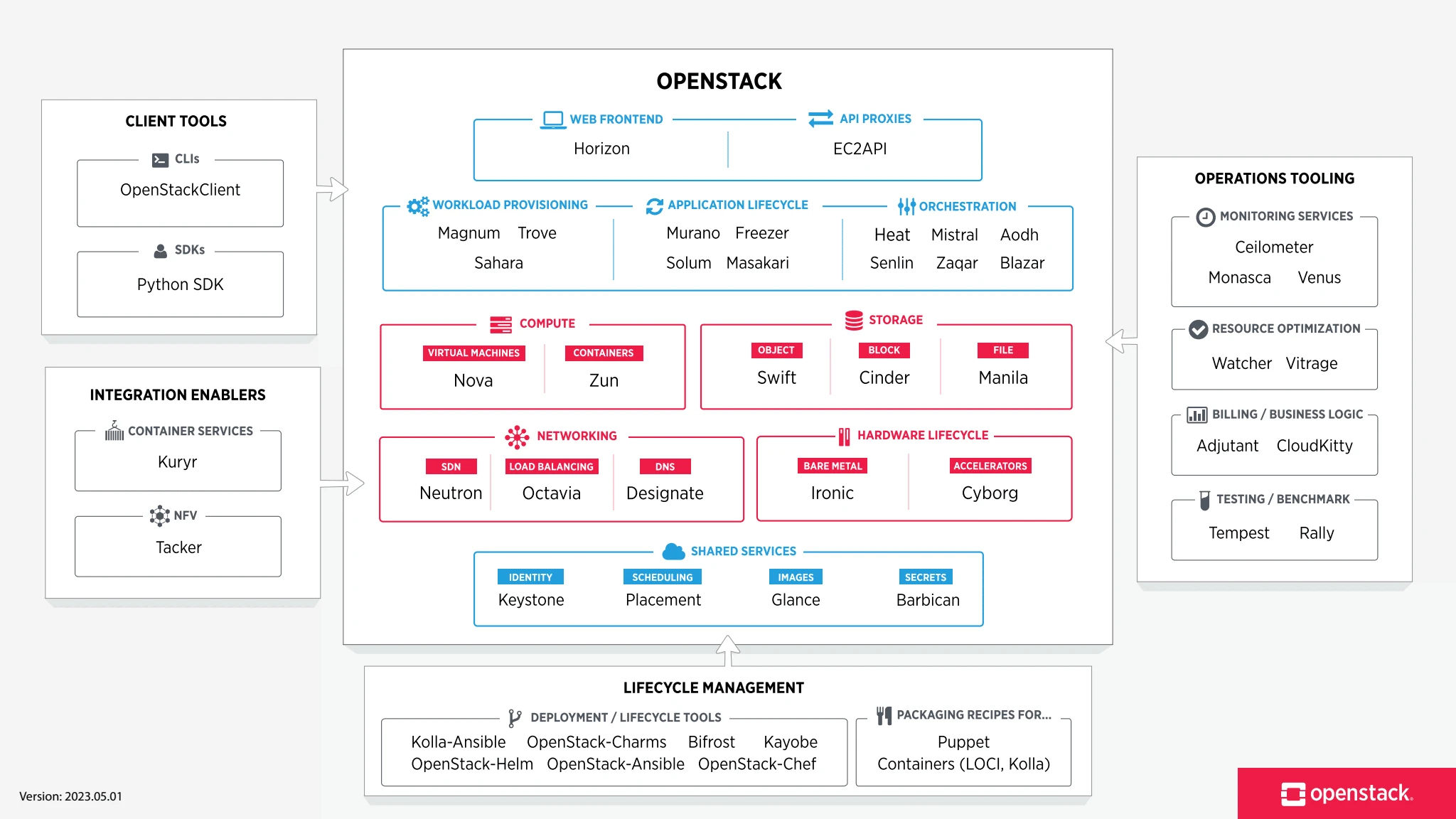
Others might also mention OpenStack… except that OpenStack is not a hypervisor, but a complete platform designed to build an enterprise cloud. It's not a tool, but a collection of tools. It is also possible to use different hypervisors. Therefore, it is an alternative to the entire VMware ecosystem, extremely powerful and modular, but very complex, and requiring significant expertise.
Click the image to enlarge.
It's not that simple...
I will not make a comparison of strengths and weaknesses or recommend one solution over another.
The problem is much more complex and depends on many factors. It's not simply a matter of reinstalling servers. For many, leaving VMware means reviewing their practices and deployment methods, reassessing their internal skills, finding new backup solutions, and revalidating their PCA/PRA plans…not to mention the software that is not always eligible for deployment on different solutions.
I often see too many shortcuts, indicating the complete disappearance of VMware. It's important to keep a cool head and correlate the vendor's price increases with the state of its product.
It is certain that the acquisition of VMware by Broadcom is a shock in the IT industry, and it is wise to start (or continue) considering alternatives if possible. Yes, some companies, especially small and medium-sized enterprises, will have no choice and will need to make a significant, and perhaps painful, change. For others, this marks the beginning of new major projects...
In my opinion (and I speak only for myself), the best strategy is to carefully weigh the pros and cons, taking into account all the changes involved in switching from one ecosystem to another.
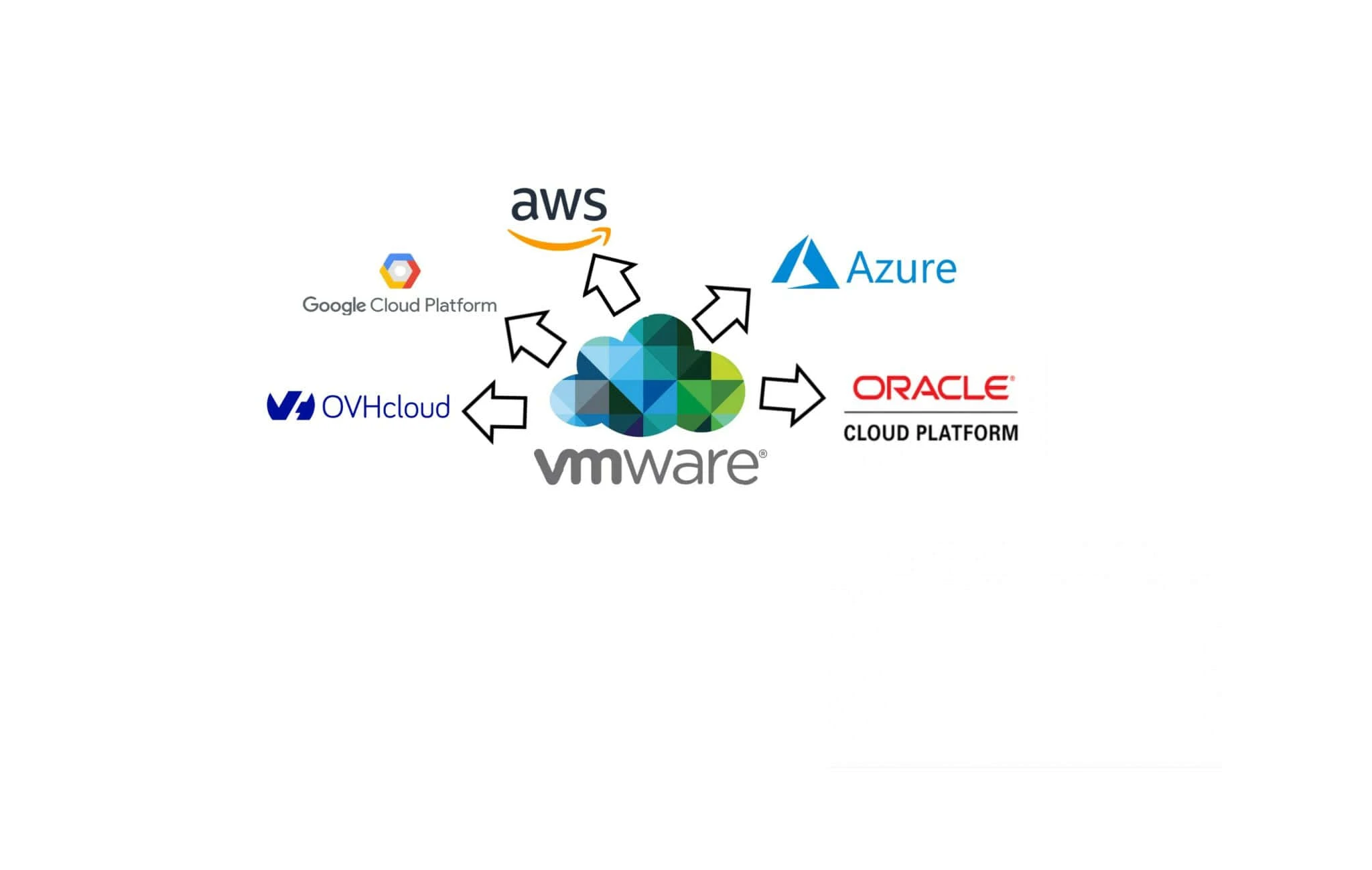
Furthermore, if you are considering a change, why not also evaluate cloud migrations? Because, apart from alternative solutions like those presented here, the solutions offered by major public cloud providers are also excellent candidates!
Click the image to enlarge.
However, the execution models of some may not be suitable for the public cloud.
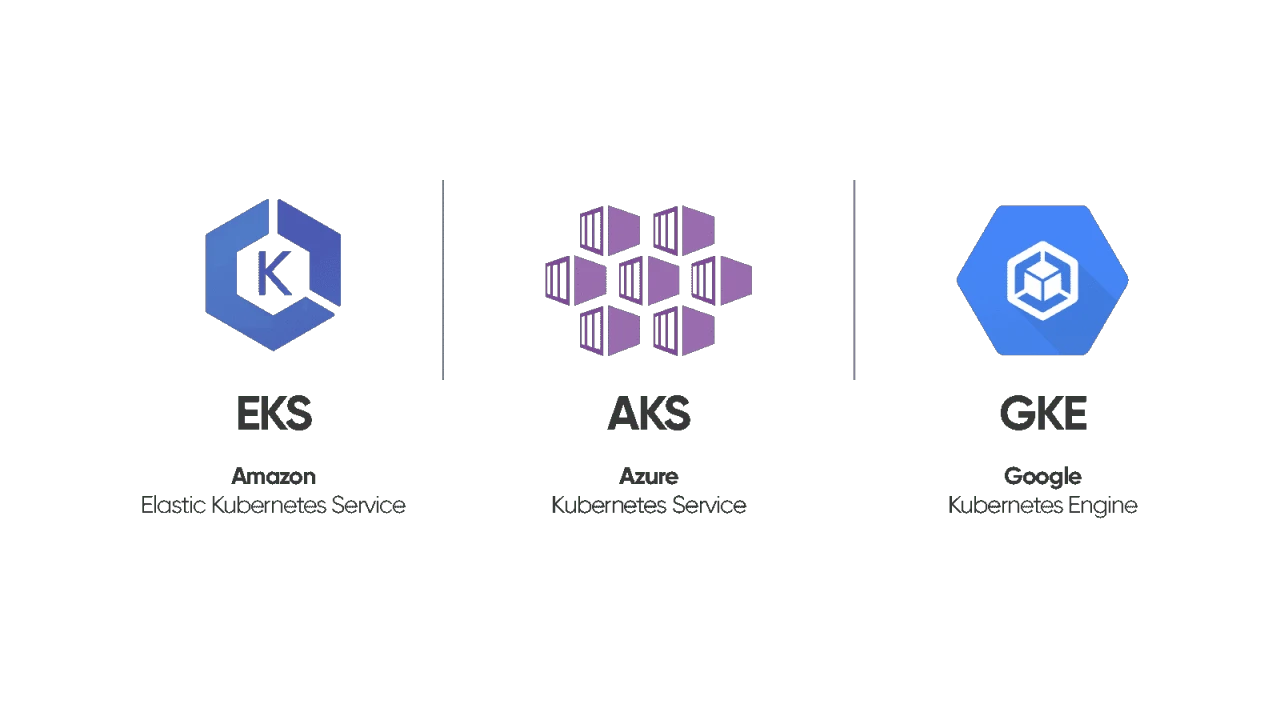
The question may not be whether a VM can run here or elsewhere, but rather whether that VM is truly useful. And if it is, does it need to run 24/7? Does it really need its 64 vCPUs and 64 GB of RAM...? Finally, could my application on this VM not run somewhere other than a VM? Is containerization possible, and if so, would a KUB cluster (or another) on bare metal internally be feasible, or perhaps a managed K8S instance...not to mention a potential switch to SaaS if suitable tools are available...
Click the image to enlarge.
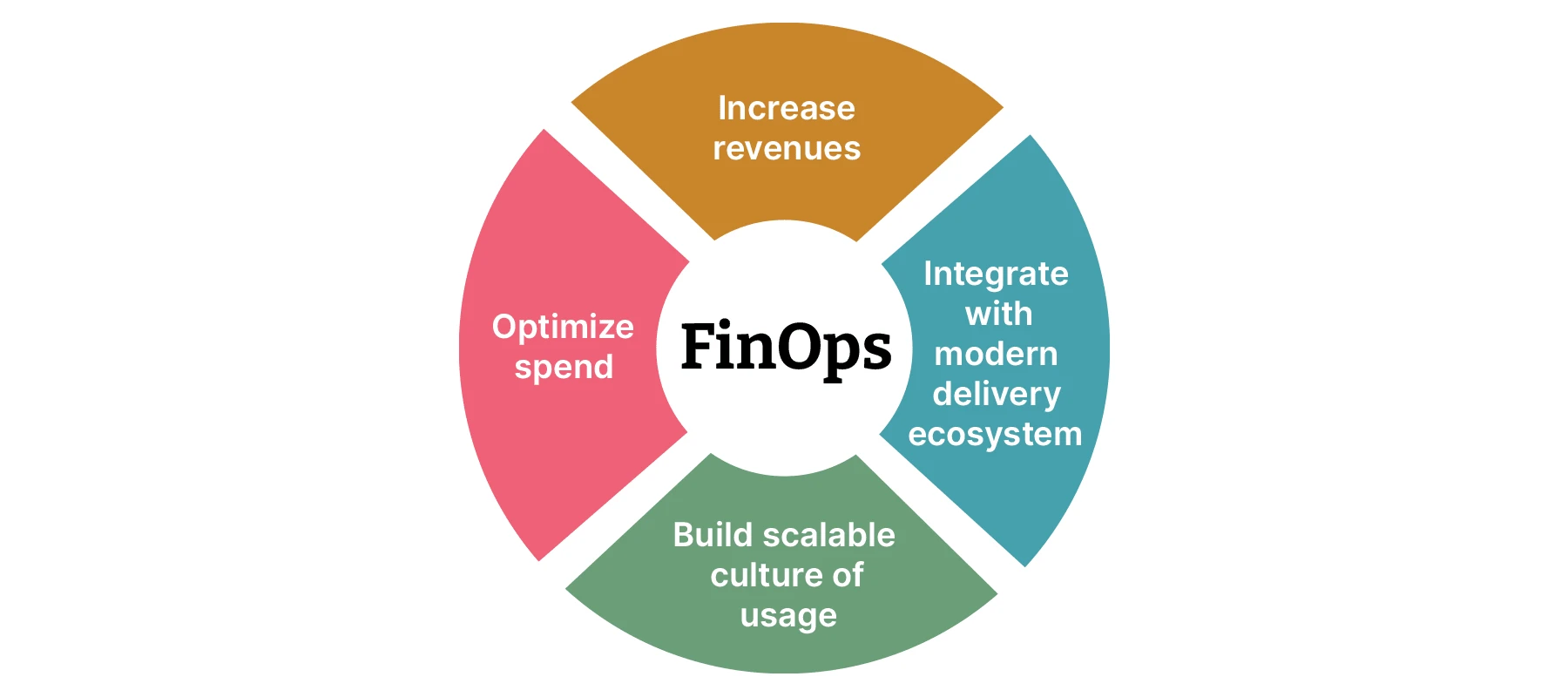
Perhaps ultimately, a good spring cleaning of your assets and an internal FinOps initiative (or GreenOps if you prefer greenwashing) might not cover my increased license costs, but at the very least, it would give me time to calmly explore a real transition away from VMware by initially reducing the number of licenses.
Click the image to enlarge.
In short, there are as many solutions and alternatives as there are cases and companies. VMware is not dead yet, even though a different direction has been taken by its new owner, leaving many people in the lurch...or pushing some to take the plunge by adopting the entire package now imposed by the vendor.
In any case, good luck to everyone who is directly or indirectly affected by these changes. It reminds us that in our profession, nothing is ever certain! And that's also what we love!